As Both Major Parties Close Primaries, Independent Voters Sound Alarm
- Dec 10, 2025
- 2 min read
10 December 2025
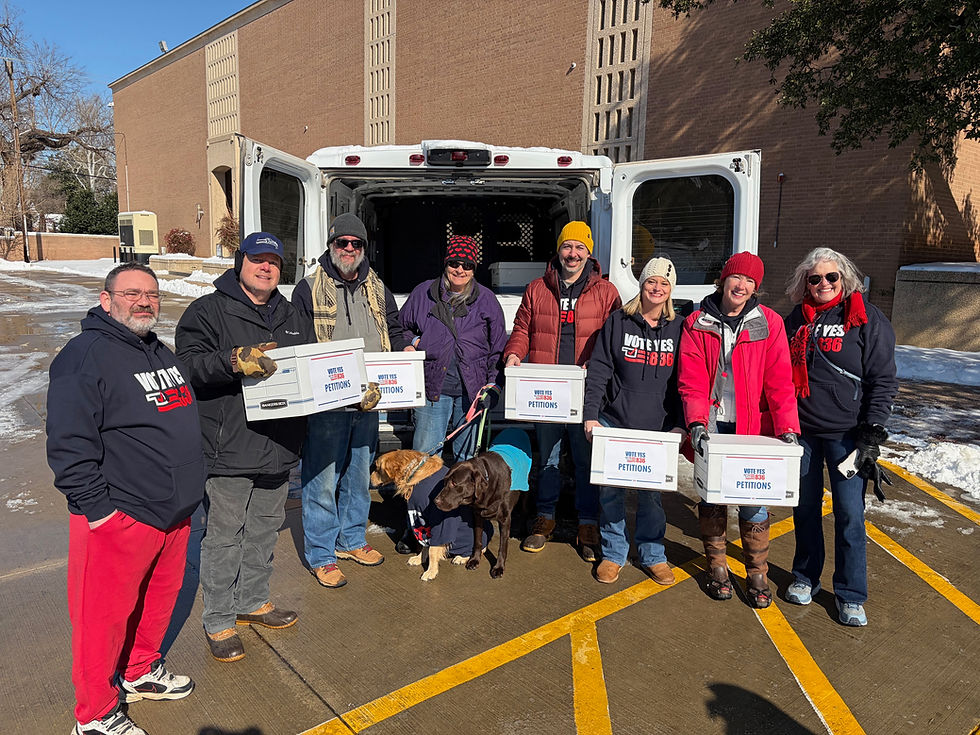
OKLAHOMA CITY — Following today’s announcement from the Oklahoma State Election Board that both the Republican and Democratic parties have elected to close their primaries for the 2026–2027 election cycle, supporters of State Question 836 warned that nearly half a million Oklahoma voters will be locked out of meaningful elections.
Roughly one in five registered voters — almost 500,000 independents — will be barred from participating in taxpayer-funded primaries that effectively decide the vast majority of elected offices in the state. In contrast to the competitive and meaningful primary elections held every cycle, general elections are largely uncompetitive. Of the 445 county, state, and federal races up for election last cycle, only seven (about 2%) were decided in November general elections by fewer than 10 points. The remaining 98% of November races were blowouts, determined instead in June primaries or August runoffs, or ended on filing day when candidates ran unopposed.
Retired U.S. Coast Guard Commander Tony Stobbe, an independent and advocate for SQ 836, said today’s announcement underscores why Oklahoma needs reform.
“I served this country for decades, but here at home I am not able to vote in an election that actually decides anything,” Stobbe said. “It’s wrong that hundreds of thousands of taxpayers, including veterans like me, are shut out of the process. Today’s announcement from the State Election Board means it’s more important than ever that we give Oklahomans a chance to open our primaries and ensure all registered voters can participate in our elections. SQ 836 will make sure every voter has a voice in every election.”
SQ 836 would create an open, nonpartisan primary system where all voters can participate and the top two candidates advance to the general election — restoring meaningful voting power to Independents and ensuring elected officials are accountable to all their constituents, not just a narrow slice of the electorate.